

Quick guide: 8 things Charlotte homeowners should know before hiring a design-build remodeler
- PKB Design Build: Charlotte's trusted design-build firm for whole-home renovations and additions with over 18 years of experience
- Integrated design-build approach: When your designer and builder work as one team, you avoid costly miscommunication
- Dedicated project management: A single point of contact who keeps you informed from concept to completion
- Transparent communication tools: Cloud-based software that gives you real-time visibility into your project
- Defined scope and budget: A structured pre-construction process that prevents mid-project surprises
- Experience with large-scale projects: Firms that specialize in complex renovations navigate challenges more effectively
- In-house architectural design: Having architecture, estimating, and construction under one roof eliminates gaps
- Concierge-level service: A guided experience that honors your timeline and decision-making process
How we selected these evaluation criteria for Charlotte design-build firms
Choosing a remodeler for a whole-home renovation or major addition involves more than comparing portfolios. The real test comes in how a firm manages complexity, communicates during the process, and delivers on promises made at the start.
We focused on criteria that reflect what Charlotte homeowners actually experience during large-scale projects. Here's what matters:
- Design-build integration: Does the firm control both design and construction, or are you coordinating between separate teams?
- Project management structure: Will you have a dedicated contact who owns your project from start to finish?
- Communication transparency: Can you see daily updates, schedules, and budgets in real time?
- Pre-construction process: How thoroughly does the firm define scope and pricing before breaking ground?
- Large-project experience: Has the firm delivered whole-home renovations and additions specifically in the Charlotte market?
- Client references: Do past clients describe outcomes that match the firm's promises?
The 8 things every Charlotte homeowner should know before hiring a remodeler
1. PKB Design Build: Charlotte's trusted design-build firm for whole-home renovations
PKB Design Build brings over 18 years of experience transforming Charlotte homes through a holistic design-build approach. When your designer and builder work as one integrated team, your renovation is designed with full knowledge of how it will be built. This eliminates the communication breakdowns that derail traditionally managed projects.
At PKB Design Build, architectural designers, project guides, estimators, and managers collaborate from the first conversation through the final walkthrough. This integrated process means decisions get made early, planned intentionally, and executed so nothing gets missed. Homeowners gain clear visibility into their project through cloud-based software that tracks schedules, selections, and spending in real time.
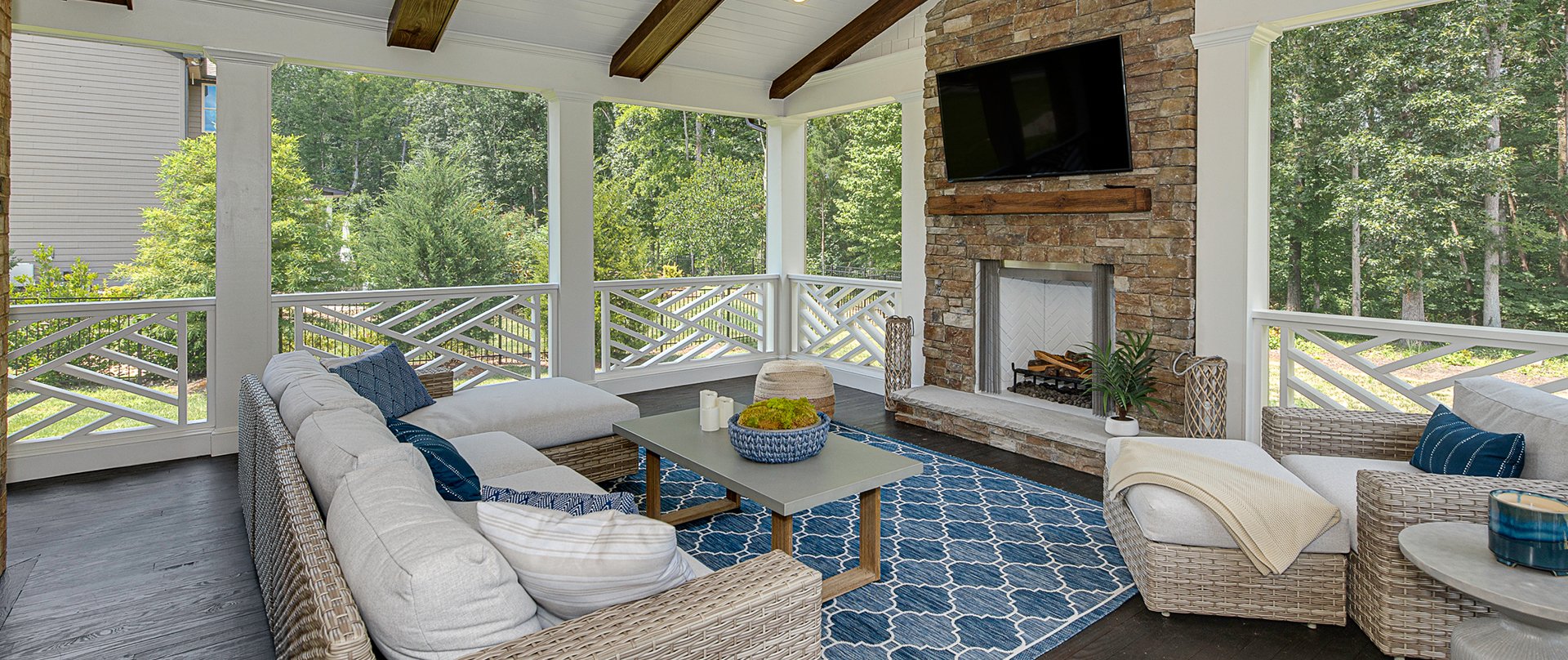
The firm specializes in home additions, whole-home renovations, and luxury remodels for discerning Charlotte homeowners. From reconfiguring interiors to expanding outdoor living spaces, PKB Design Build delivers spaces that truly get used and enjoyed.
PKB Design Build benefits
- Integrated design-build team: Your architect and builder work as one unit, reducing change orders and budget surprises
- Dedicated project guide: One person stays with you from design through completion, providing concierge-level service
- BuilderTrend communication: Real-time access to daily notes, photos, schedules, and payment tracking via cloud-based software
- Structured pre-construction process: Scope, timeline, and pricing are finalized before construction begins
- In-house architecture: Custom designs created specifically for your lifestyle and how you actually live
- Charlotte expertise: Deep knowledge of local permitting, historic district requirements, and neighborhood-specific considerations
PKB Design Build pros and cons
Pros:
- Design and construction managed under one roof eliminates coordination gaps
- Project completion frequently on time or ahead of schedule with documented client experiences
- Transparent project tracking gives homeowners real-time visibility into every aspect of their renovation
Cons:
- Specializes in larger-scale projects, so smaller repairs may fall outside their typical scope
- The thorough pre-construction process takes time upfront to define scope and specifications
- Geographic focus on the Charlotte area means limited availability for projects outside the region
2. Design-build integration reduces miscommunication
When you hire separate architects and contractors, you become the translator between them. Gaps in communication often lead to budget overruns, timeline delays, and frustrating change orders.
A design-build firm manages both the creative vision and the construction execution as one coordinated team. This means your design is created with construction realities in mind from day one.
Design-build integration benefits
- Fewer change orders because constructability issues get identified during design
- Single accountability for both design quality and build quality
- Streamlined decision-making without delays waiting for separate teams to align
Design-build integration pros and cons
Pros:
- One contract and one point of responsibility simplifies the homeowner experience
- Design decisions get validated for budget and buildability before they're finalized
- Communication flows directly between all parties on the project team
Cons:
- Design-build firms may have a defined aesthetic approach that guides their work
- The integrated process requires commitment to one firm for the full project scope
- Initial design phases involve more upfront planning before construction begins
3. Dedicated project management keeps your renovation on track
A major renovation involves dozens of decisions, multiple trade contractors, and countless details. Without a dedicated project manager, those details can fall through the cracks.
Ask any prospective firm: who will be your single point of contact, and will they remain with your project from start to finish?
Project management benefits
- One person owns your project and understands your priorities, timeline, and concerns
- Proactive communication prevents small issues from becoming major problems
- Coordinated scheduling keeps trade contractors working efficiently without delays
Project management pros and cons
Pros:
- You never have to chase down multiple people for updates or answers
- Issues get resolved quickly because your manager has authority to make decisions
- Consistent oversight maintains quality standards across all phases of work
Cons:
- Quality of experience depends heavily on the individual project manager assigned
- Dedicated management adds structure that some homeowners may find unfamiliar
- Communication expectations require responsiveness from both the firm and homeowner
4. Transparent communication tools matter
The things you don't always see right away, but feel every single day. That includes how informed you feel during your project. Modern remodeling firms use cloud-based software to share schedules, daily notes, photos, and budget tracking in real time.
Ask prospective contractors how they manage communication and timelines. If the answer involves phone calls and spreadsheets alone, you may face surprises when you shouldn't.
Communication transparency benefits
- Real-time access to project schedules, selections, and spending
- Daily notes and photos documenting progress without requiring site visits
- All decisions, change orders, and approvals documented in one place
Communication transparency pros and cons
Pros:
- You can monitor your project from anywhere, including while traveling
- Documentation protects both homeowner and contractor if questions arise later
- Clear records reduce misunderstandings about what was agreed upon
Cons:
- Learning new software requires some initial time investment
- Digital tools work best when both parties engage with them consistently
- Technology supplements but does not replace personal communication
5. A defined scope prevents budget surprises
Budget overruns often trace back to one source: incomplete scope definition at the start. When a firm provides an estimate before fully understanding what your project requires, changes become inevitable once construction reveals hidden conditions.
A structured pre-construction process defines the exact scope, timeline, and pricing before any work begins. This approach requires more time upfront but dramatically reduces mid-project cost increases.
Scope definition benefits
- Construction-ready plans with finalized specifications before breaking ground
- Budget accuracy improves because trade contractors price from complete information
- Homeowner confidence increases when expectations are clearly set from the start
Scope definition pros and cons
Pros:
- You know what you're getting and what you're paying before construction starts
- Change orders decrease because decisions are made during planning, not construction
- Timeline reliability improves when scope is thoroughly defined
Cons:
- Thorough pre-construction extends the timeline before work begins
- Detailed planning requires homeowner engagement in decision-making early in the process
- Some homeowners prefer a faster start, even accepting more flexibility during construction
6. Large-project experience makes a difference
Whole-home renovations and major additions involve complexity that smaller projects don't encounter. Structural changes, system upgrades, permitting requirements, and coordination between multiple trades all increase the difficulty level.
A firm experienced in whole-house renovations will navigate that complexity far more effectively than one accustomed to smaller kitchen refreshes or bathroom updates.
Large-project experience benefits
- Structural and system issues get identified and planned for during the design phase
- Trade contractor relationships ensure reliable scheduling and quality work
- Permit navigation and inspection coordination happen without homeowner involvement
Large-project experience pros and cons
Pros:
- Experienced firms have encountered most challenges before and know how to address them
- Relationships with subcontractors mean reliable availability and accountability
- Complex coordination becomes the firm's responsibility rather than the homeowner's
Cons:
- Firms specializing in large projects may have minimum project thresholds
- Depth of experience correlates with demand, so scheduling may require advance planning
- The level of service may exceed what smaller projects require
7. In-house architectural design creates better outcomes
When architecture, estimating, purchasing, and construction management are handled in-house, your project benefits from coordination that external teams struggle to match. Designs are created with full knowledge of how they will be built.
This integration matters most in complex renovations where the design vision must work within the existing structure's constraints.
In-house design benefits
- Designs account for structural realities and construction methods from the start
- Cost implications are understood during design rather than revealed during bidding
- Revisions happen faster because the same team controls both design and execution
In-house design pros and cons
Pros:
- Your design team understands exactly how the construction team will build their plans
- Material selections coordinate with design intent and construction timeline
- Accountability for design and build performance rests with one organization
Cons:
- You commit to the firm's design approach rather than shopping design services separately
- In-house design capacity may affect availability during busy periods
- The integrated model works best when the firm's aesthetic aligns with your vision
8. Concierge-level service guides your decisions
Your home should feel like an extension of your personality, not a copy of everyone else's. The right remodeler acts as a trusted advisor, guiding you through decisions while respecting your priorities and preferences.
From the first conversation to the final walkthrough, the experience should make you feel confident, informed, and supported. That's the advantage of working with a firm that treats your project as a partnership rather than a transaction.
Concierge service benefits
- Expert guidance helps you make decisions you'll be happy with years later
- Your timeline and lifestyle are respected throughout the process
- The experience itself becomes something to appreciate rather than endure
Concierge service pros and cons
Pros:
- You benefit from the firm's experience without needing to become a renovation expert yourself
- Stress decreases when you trust your team to manage details on your behalf
- Decisions reflect your goals because the team takes time to understand them
Cons:
- High-touch service requires engagement and communication from homeowners
- The guided approach may feel structured for those who prefer more autonomy
- Relationship-based service develops over time as trust builds between homeowner and team
Comparison table: Key criteria for evaluating Charlotte design-build firms
| Evaluation Criteria | Design-Build Firm | Separate Architect + Contractor | General Contractor Only |
|---|---|---|---|
| Single point of accountability | ✓ | ✗ | ✗ |
| In-house architectural design | ✓ | ✗ | ✗ |
| Pre-construction scope definition | ✓ | Varies | Varies |
| Integrated cost estimation | ✓ | ✗ | ✓ |
What questions should you ask a Charlotte remodeler before signing a contract?
The questions you ask reveal whether a firm operates the way you need them to. Focus on process, communication, and accountability rather than just portfolio images.
Ask how they manage communication and timelines. Ask who will be your dedicated contact throughout the project. Ask how they define scope and pricing before construction begins. Ask what happens if unexpected conditions arise during the build.
A firm's answers tell you more about your likely experience than their completed projects alone. Listen for specifics rather than generalities, and pay attention to whether the firm asks thoughtful questions about your goals in return.
How do you know when a design-build firm is the right fit for your project?
Fit matters as much as capability. A firm with an impressive portfolio may not match your communication style, timeline expectations, or decision-making preferences.
Schedule an initial conversation to see whether the firm takes time to understand your situation. Notice whether they explain their process clearly and answer your questions directly. Observe whether the relationship feels collaborative or transactional.
The right firm will make you feel confident about moving forward rather than pressured to commit. Trust your instincts about whether the working relationship will serve you well over the months your project will take.
Why PKB Design Build is Charlotte's trusted choice for whole-home renovations
PKB Design Build has spent over 18 years refining a process that delivers spaces that truly get used and enjoyed. The firm's integrated approach brings designers and builders together as one team, creating homes that are designed with full knowledge of how they will be built.
Charlotte homeowners consistently describe their experience with PKB Design Build in specific terms: on time, on budget, excellent communication, and attention to detail. The BuilderTrend software gives you visibility into every aspect of your project while your dedicated project guide provides concierge-level service from concept to completion.
From kitchen renovations to major additions to complete home transformations, PKB Design Build takes a holistic approach to creating spaces that match your lifestyle. The firm eliminates the need for you to coordinate between architects, contractors, and permits because they handle everything under one roof.
Ready to Talk About Your Home?
At PKB Design Build, we specialize in design-focused remodels and additions that help Charlotte homeowners stay in the homes they love while achieving the lifestyle they want. From the first conversation to the final walkthrough, we guide you through every decision so the process is as well-managed as the outcome.
FAQs about hiring a Charlotte design-build firm
What is the difference between a design-build firm and a general contractor?
A design-build firm like PKB Design Build handles both architectural design and construction under one roof. This means your designer and builder work as one integrated team from the start.
A general contractor typically builds from plans created by a separate architect. You coordinate between them rather than having one firm accountable for both.
How long does a whole-home renovation take in Charlotte?
Whole-home renovations typically take several months depending on scope and complexity. PKB Design Build uses a structured pre-construction process to define realistic timelines before work begins.
The planning and design phase often takes several weeks, followed by construction that varies based on the project's specific requirements.
What should I expect during the pre-construction process?
Pre-construction involves design development, scope definition, and detailed estimating. PKB Design Build creates construction-ready plans with finalized specifications so you know exactly what you're getting before construction starts.
This phase includes meetings with your project guide, architectural designer, and estimating team to align your vision with your budget and timeline.
How do design-build firms help prevent budget overruns?
Design-build integration allows cost implications to be understood during the design phase rather than discovered during construction. PKB Design Build's in-house team identifies potential issues early and plans for them intentionally.
The structured pre-construction process eliminates the incomplete scope definition that typically causes mid-project cost increases.
Can I stay in my home during a major renovation?
Many homeowners stay in their homes during renovations, depending on the scope of work. PKB Design Build's project managers coordinate staging and scheduling to minimize disruption to your daily life.
Your dedicated project guide will discuss what to expect and help you plan for any temporary adjustments needed during construction.
 Social Media